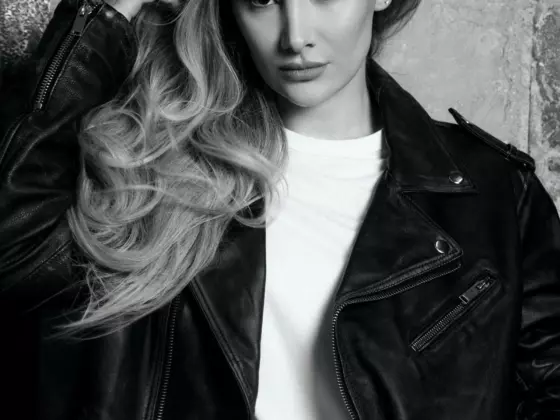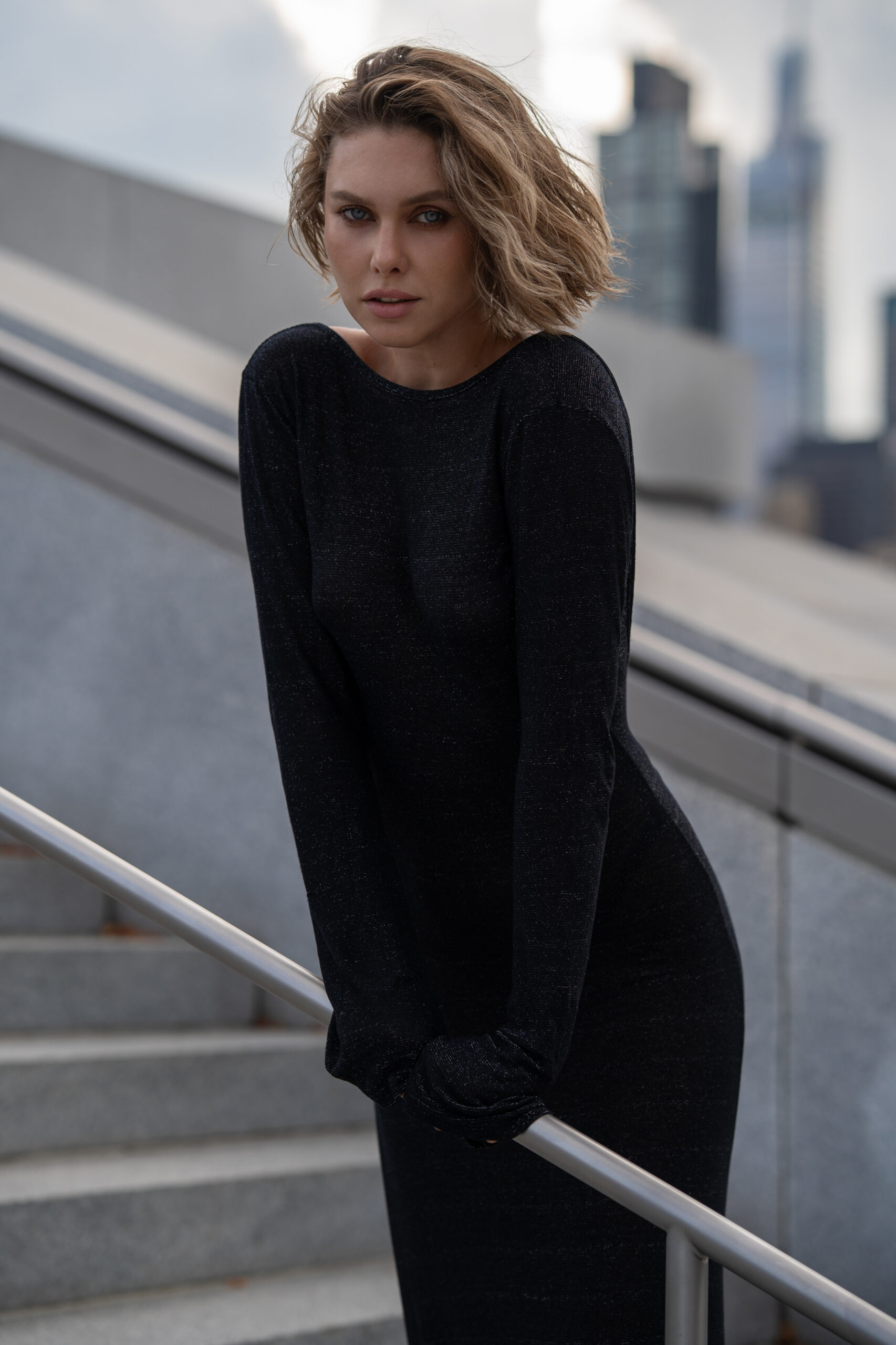
Kate Smolianinova is a model, creator, and author of visual stories whose career exemplifies how personal aesthetics and inner maturity can evolve into international recognition. Her journey spans not only the runways of Paris, Milan, London, New York, and Asia, but also the creation of a distinct language where culture, emotion, and visual intelligence intersect.
Over the years, Ekaterina has built a strong professional profile: runway shows for La Perla, Céline, Michael Costello, Alice & Olivia, KTZ, and Akris; editorials in Marie Claire, Cosmopolitan, L’Officiel, Amica, Madame Figaro; and projects with Balmain, Mikimoto, Bulgari Parfums, Prada Beauty, Coach, Jacquemus, Sephora, Kiehl’s, and Intimissimi. Today, she is perceived not only as a face of the industry, but as a woman who rethinks it — through sincerity, meaning, and a deep respect for the art of seeing.
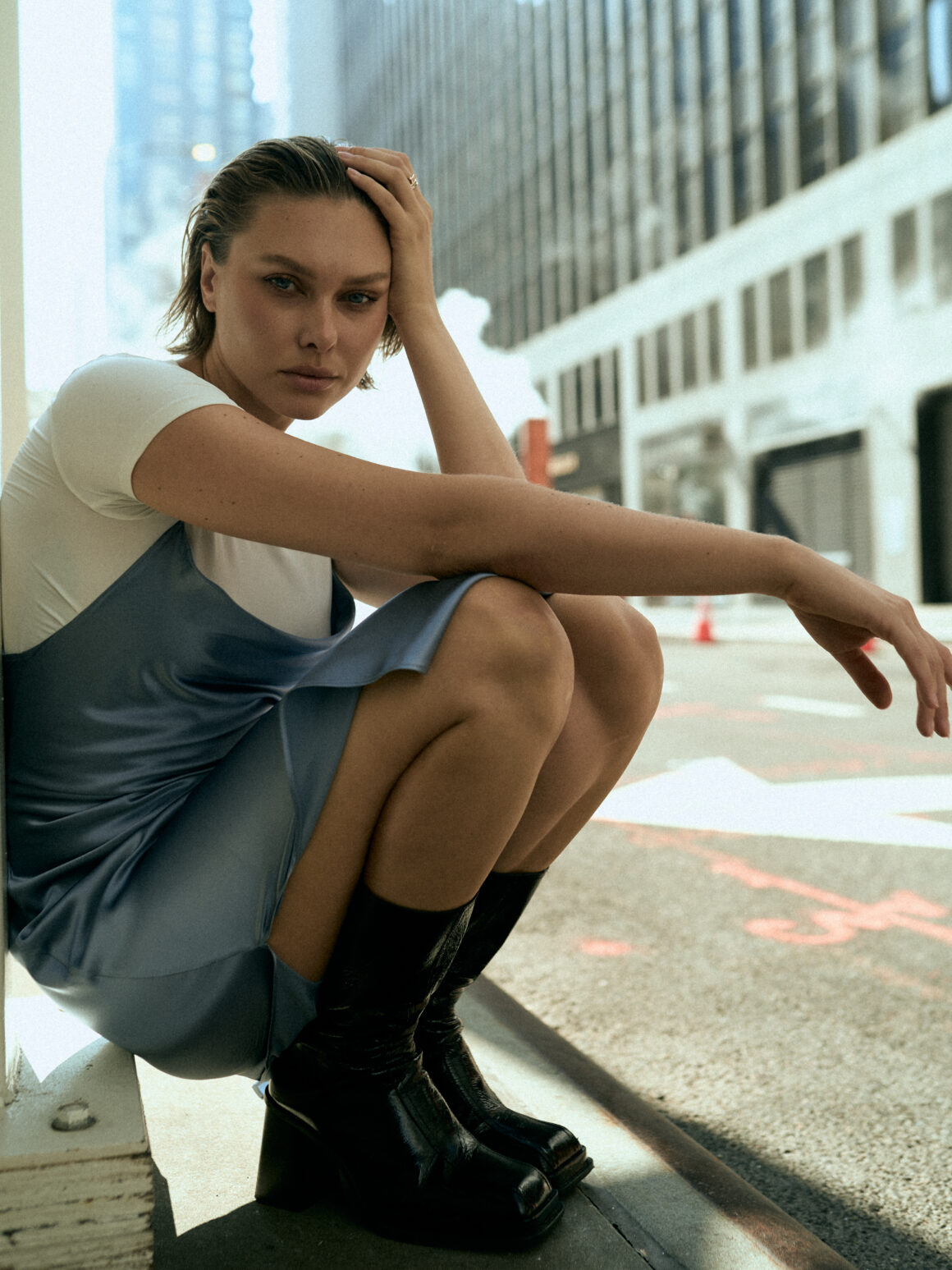
Ekaterina, your path is not merely a model’s biography, but the story of a personality formed through the union of aesthetics, intellect, and inner truth. How do you remember the beginning of this journey? What guided you then — desire, faith, curiosity? And when did you first realize that fashion was not only a profession for you, but a language of self-discovery?
At the very beginning, I think I was driven by a feeling that I wanted to be part of a world where beauty becomes meaning. It wasn’t about vanity, but about an inner pull toward aesthetics, emotion, and visual language. When I participated in my first beauty contest, I didn’t yet understand that it would become a path measured in years, continents, and inner transformations.
Then came shoots, runway shows, travel — Paris, Milan, London, New York, Asia… All of this brought experience, but even more so, questions: Who am I? Why am I here? And at some point I realized that fashion, for me, is not an industry of the external, but a way of understanding the inner self. Every image, every project reflects my state of being. That is why I don’t separate “work” from “myself.” They are one and the same.
Today, you are known not only as a model, but as a woman whose name is associated with depth and meaning. At the same time, the industry you work in is often superficial, fast, and driven by instant impressions. How do you remain authentic, preserve your inner center, and avoid dissolving into gloss?
I believe the key lies in awareness and honesty. When I first started, it felt like success meant being everywhere, doing everything, never stopping. Over time, I realized that strength lies not in quantity, but in quality.
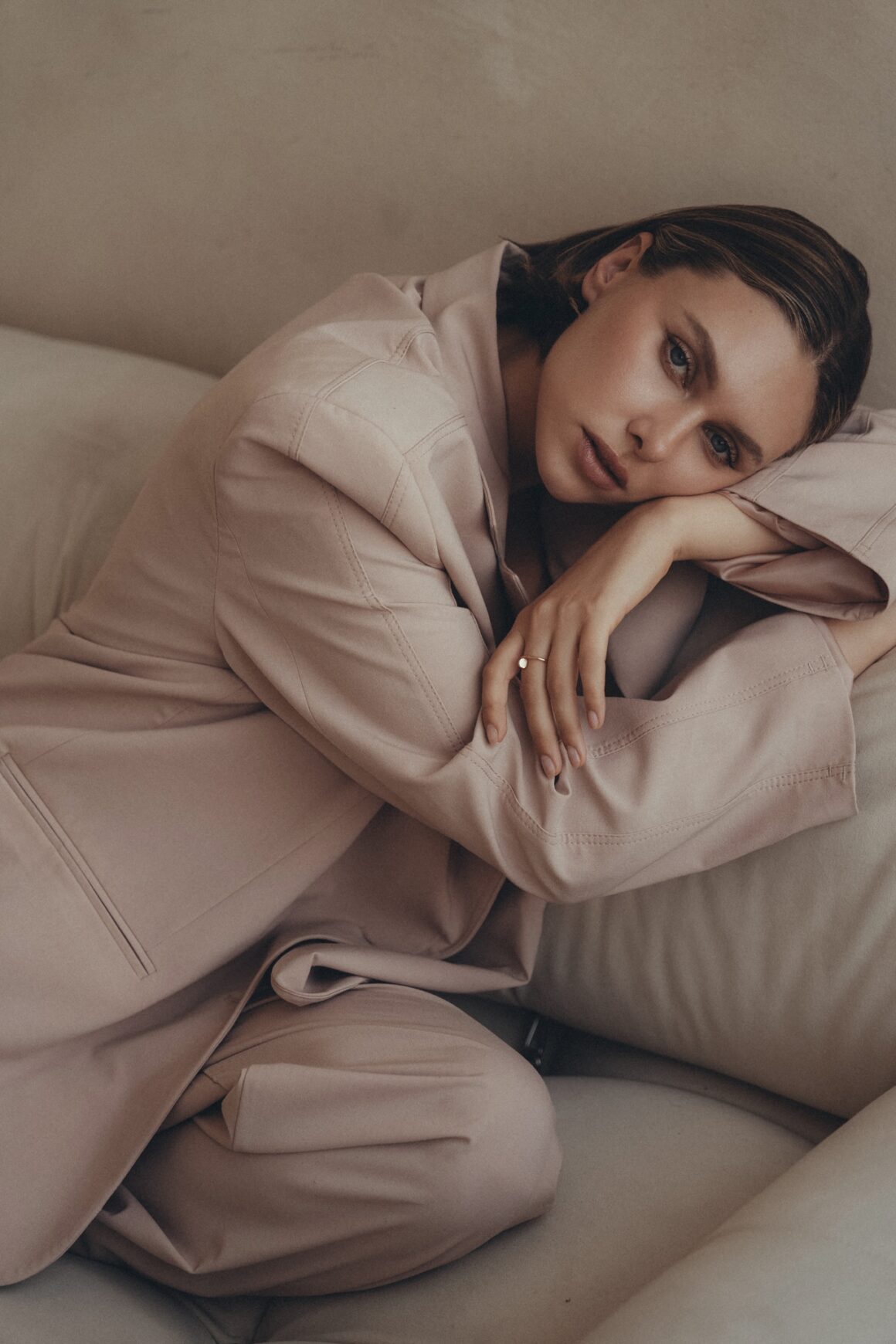
I learned to say “no” to what doesn’t resonate, and “yes” only to what aligns with my values. This profession taught me how to listen to myself and not lose my identity in a world that often demands a mask. I don’t want to be perfect. I want to be alive.
For me, gloss is not a reflection, but a mirror — one that shows who you truly are. And if you can look at yourself with love and honesty, the industry stops defining you. You begin to set the rules yourself.
Your projects are always marked by wholeness — they reveal not only visual taste, but emotional narrative. How are your ideas born? What inspires you — people, cities, silence, emotions? And how do you transform a personal feeling into a universal visual language understood by the world?
All ideas are born from observation. I watch, listen, feel. Sometimes inspiration comes from light in a window; sometimes from a phrase spoken casually. For me, inspiration is not a flash — it’s a dialogue with the world.
When I create visual concepts, I always begin with emotion. What do I want to convey? What energy stands behind this image? Only then does form appear — color, light, movement. It’s important to me that an image feels alive, that it’s not just beautiful, but evokes an inner response.
Perhaps this is where universality lies: when you are sincere, people feel it. Aesthetic is not a trend — it’s a state of being.
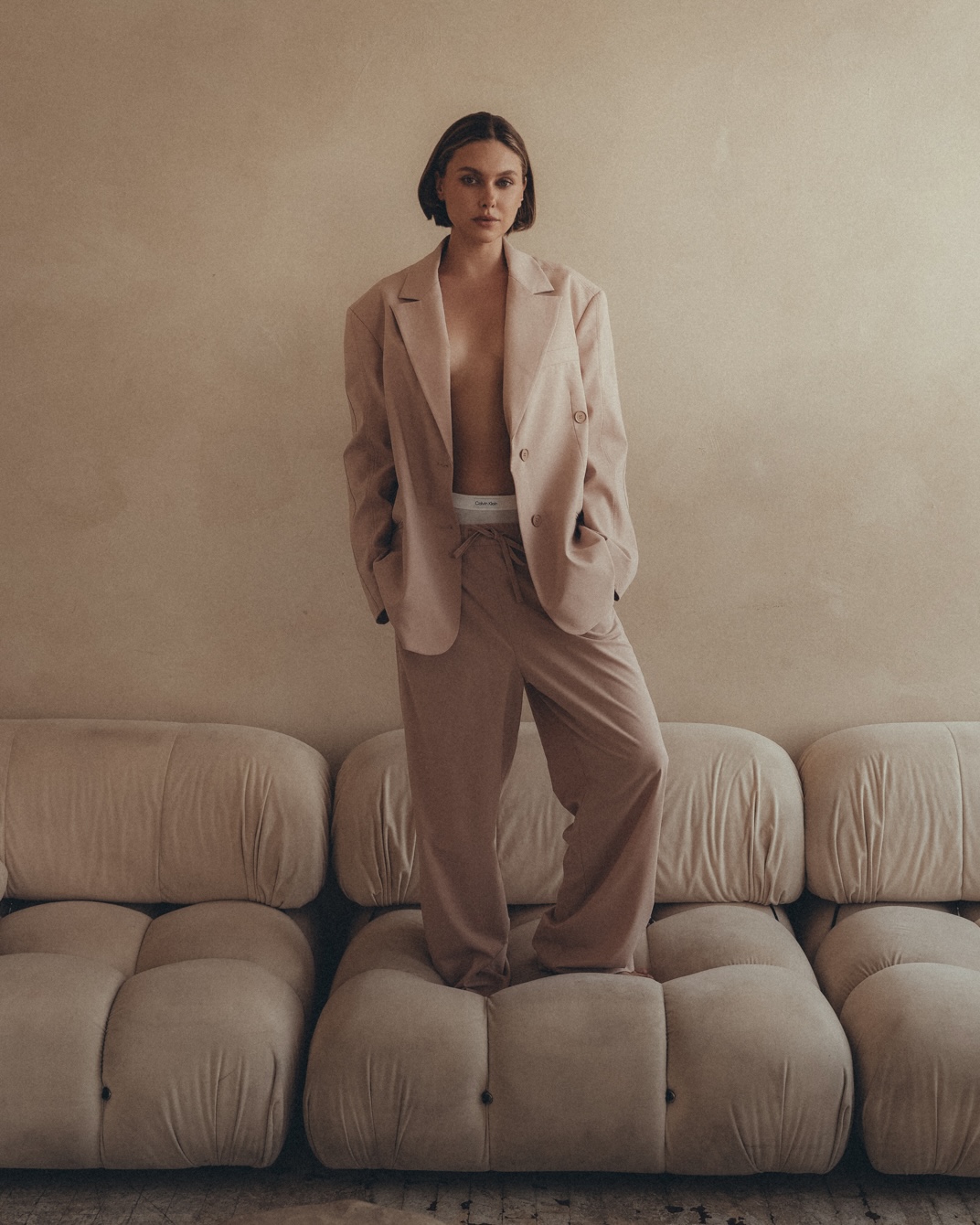
You often speak about inner freedom and personal choice. In a profession measured by attention and approval, how do you preserve independence — emotional, creative, human?
It’s a difficult question. Independence comes through mistakes. At first, you seek validation — you want to be noticed, approved, chosen. Then you realize that dependence on the external never brings freedom.
My path has been about freeing myself from the need for evaluation. I choose projects that resonate with who I am. Even if they are not the most commercial, they are honest. Freedom begins where fear ends.
I am not afraid to be myself. Not afraid to be soft, vulnerable, feminine — even in an industry that often expects women to be perfect, strong, and emotionally distant. My strength lies in truth.
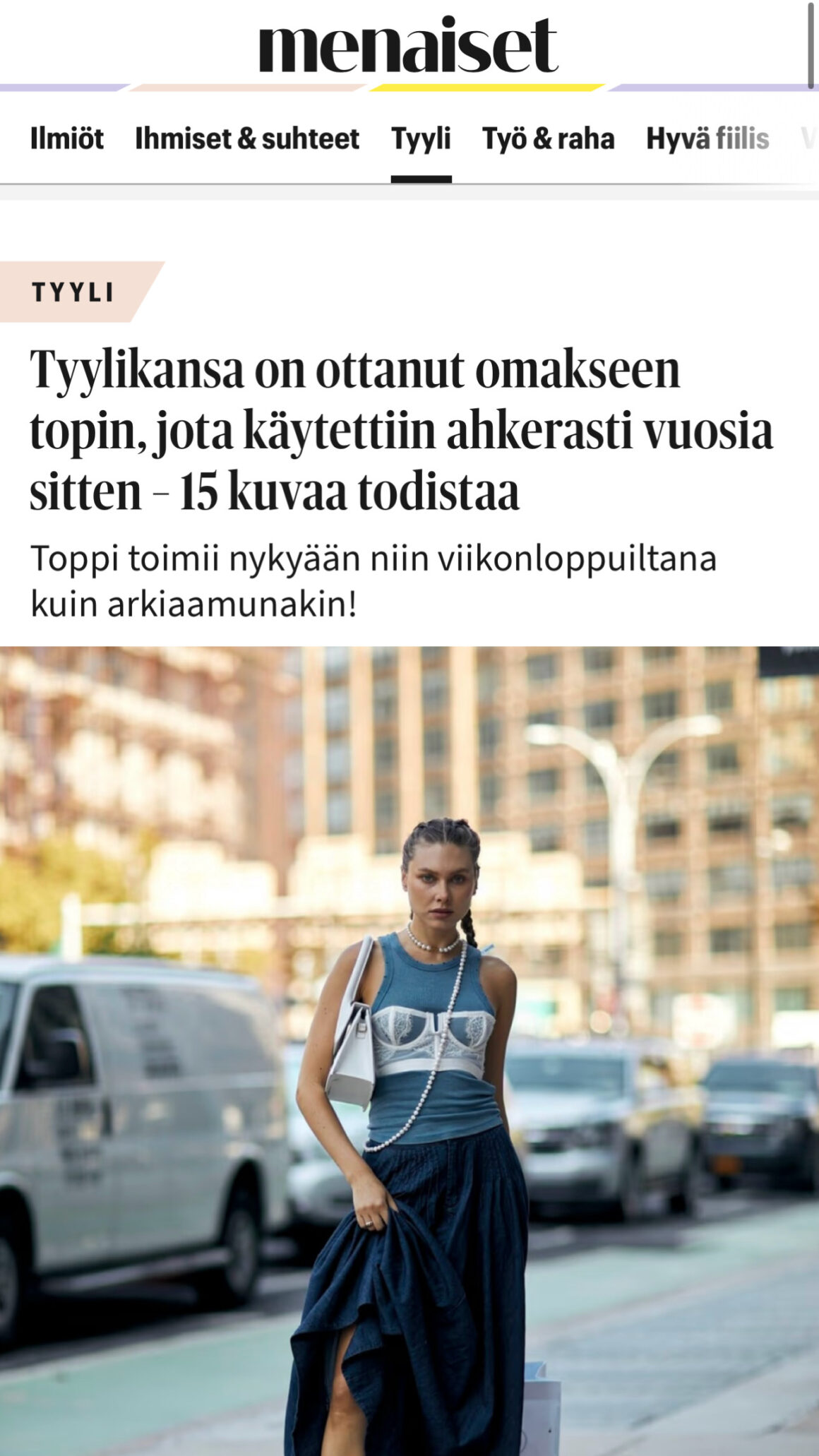
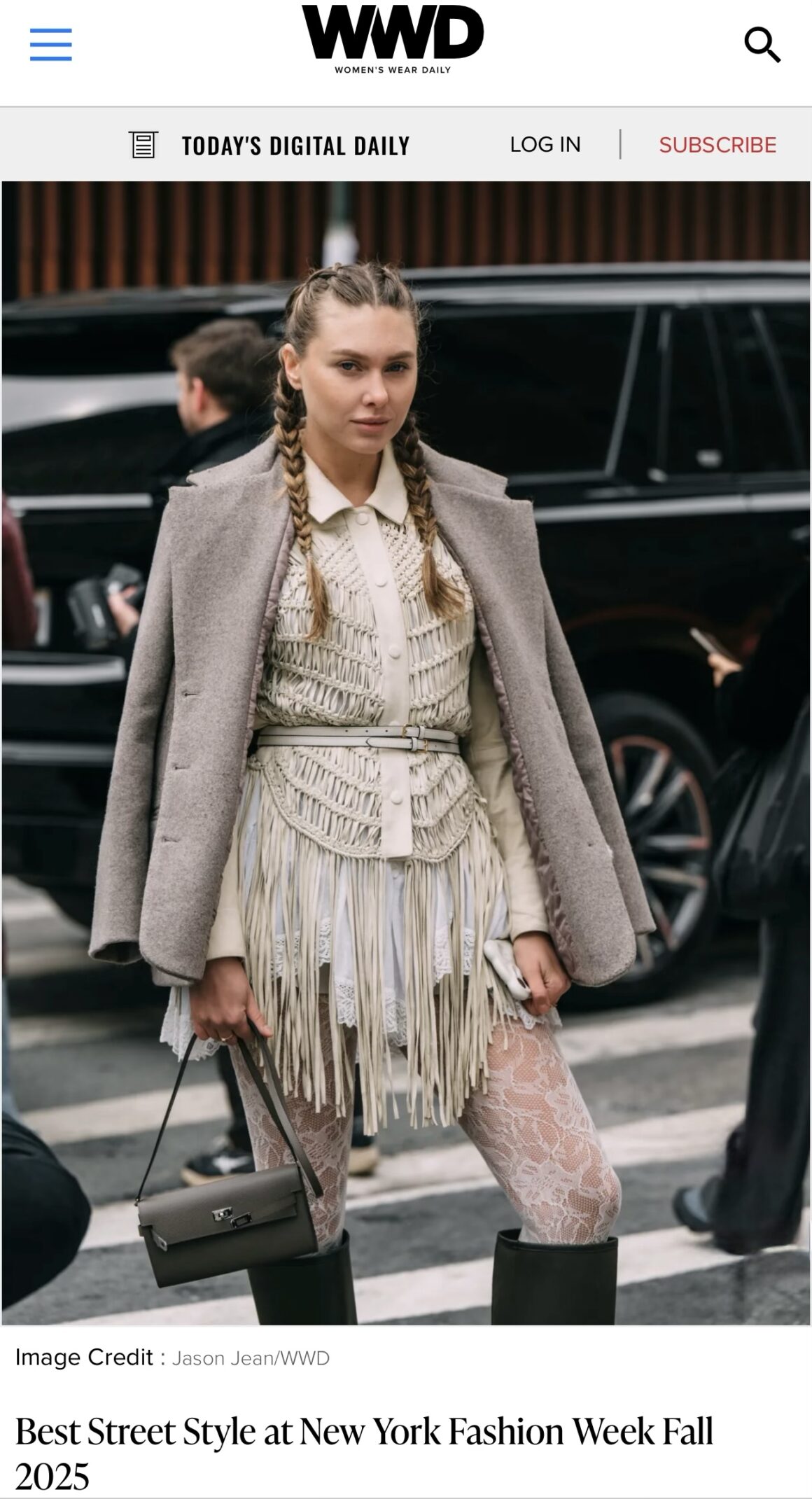

You often work on shows and projects in New York, Milan, and Paris. Yet your images and content go beyond the runway — they carry story, perspective, and an attitude toward life. What does fashion mean to you today? And what has it become personally — a profession, an art form, a means of communication?
Fashion, to me, is a mirror of culture. It reflects not only the taste of an era, but the state of society. I perceive it as a language. Through images, one can speak about freedom, love, loneliness, acceptance.
Personally, fashion is a form of dialogue — between myself and the world, between a brand and a person, between the outer and the inner. I love when visuals evoke emotion, when someone looks at a photograph and feels not the clothing, but the mood.
In this sense, fashion is my way of speaking without words.
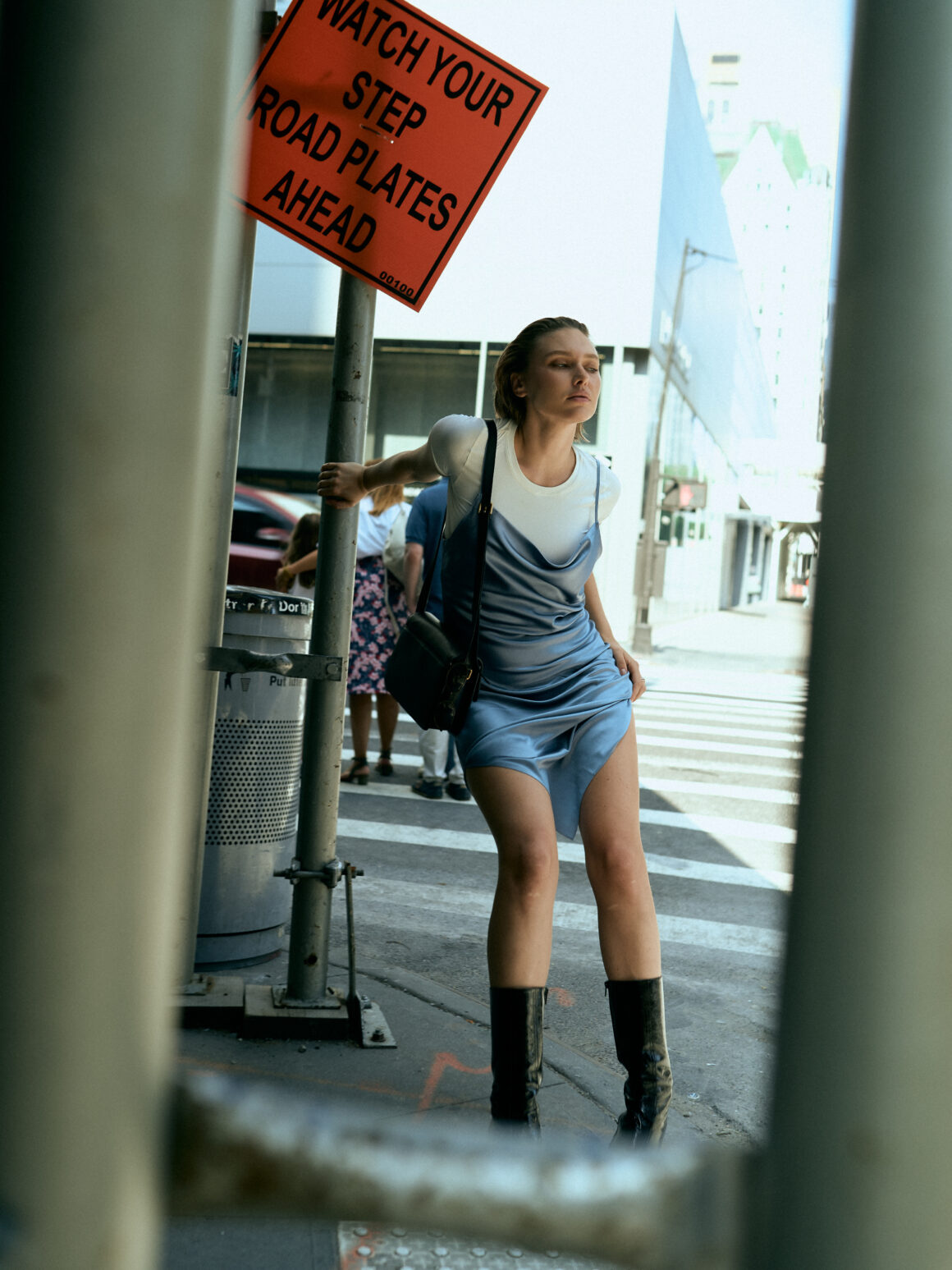
Your professional journey spans continents, cultures, styles, and mentalities. What has global work given you, and what has life between continents taught you?
An international career taught me flexibility. Asia — attention to detail. Europe — a sense of form. America — speed and confidence.
But the most important realization was this: despite cultural differences, people feel the same things — love, beauty, sincerity. Once you understand that, you stop adapting and begin connecting.
Working across countries taught me to be universal without losing individuality. In every shoot and every project, I aim to carry not only aesthetics, but an energy that cannot be replicated.
Looking back on your journey, what do you consider your greatest achievement — not in terms of titles or publications, but in a personal, human sense?
My greatest achievement is remaining myself. Not losing my inner compass. In a profession where it’s easy to dissolve, I learned how to stay centered without losing my soul.
I’m proud not of what I’ve achieved, but of how I’ve done it. Proud to work with brands I respect while maintaining genuine human relationships. Proud that my images inspire while remaining alive.
And I’m proud that I know how to pause. Because true growth is not about speed — it’s about depth.
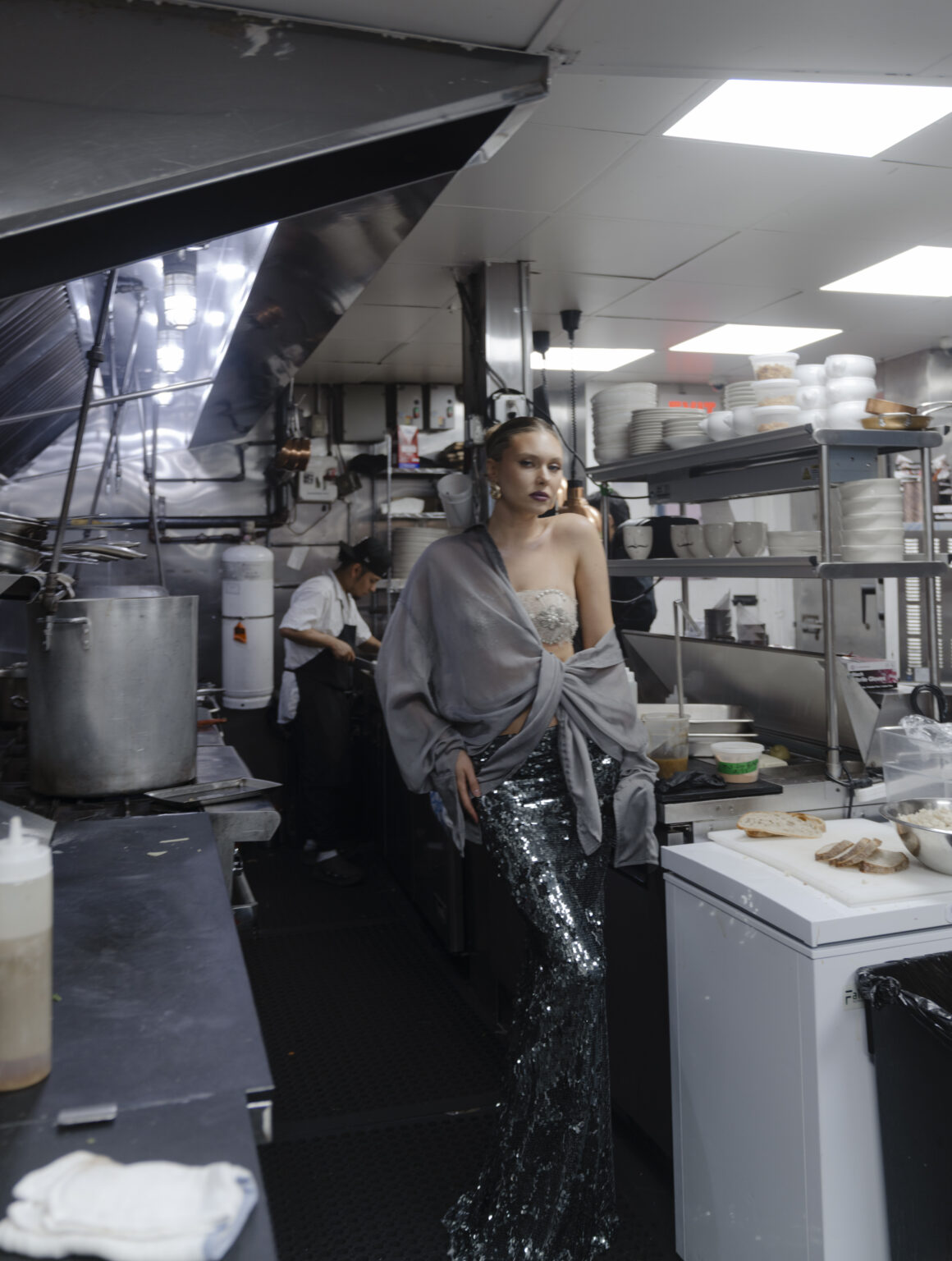
You often speak about meaning and responsibility. How do you see your role today — in an industry where visibility is important, but significance matters even more?
I want to be someone who connects. Brands and audiences. Aesthetics and empathy. Image and meaning.
My role is to serve as a bridge between surface and depth — visually, culturally, emotionally. I strive for my content to leave people feeling not just inspired, but respected — toward themselves, toward beauty, toward life.
For me, it matters to leave a trace not in trends, but in feeling. Even a small one — as long as it’s real.